The Problem Could Be Me

I Need To Change

Recovery started working when I stopped trying to change others and started looking honestly at myself.

Each person must examine his own actions. Then he can be proud of his own accomplishments and not compare himself to others. Assume your own responsibility. Galatians 6:4–5

When I first came into recovery, I was looking for relief from the pain I was carrying. I knew I needed help, but I still wanted to do things my way. Control had helped me survive growing up in an alcoholic home, so it was the only way I really knew how to approach life. I truly wanted things to get better. But if I’m honest, what I really wanted was for the pain to stop.

So early on I tried to do recovery on my own. I bought a step book and started answering the questions by myself. I thought I was doing what everyone else was talking about. I was becoming aware that I had problems that were not going to resolve themselves automatically. I was motivated to find the answer so I could go home and fix things myself. But I still wanted recovery to happen on my terms. My way. That was part of the problem. I didn’t come into recovery to change myself. I came looking for relief from the hurt and damage I was feeling. What I didn’t understand yet was that recovery was never meant to be worked alone. The people who were finding the kind of freedom I wanted were not doing it by themselves. They were working the steps with sponsors and learning to let the group help them see things they could not see on their own.

I can still remember the moment vividly. It was after a meeting during what we often call the meeting after the meeting. I can still see the dimly lit room, the literature table set up against the wall and me standing next to it. I was speaking with two members of the group that I had gotten to know. They had been trying to share something with me for several weeks, and that night it finally got through. This was all about me changing me. If this was going to work, I needed to do it for me. My healing would come when I focused on myself instead of the person I was trying to fix. When I first came to recovery, it was not to change me. It was to find out how to fix the problem. It was to get relief from the hurt and pain I was in. But it wasn’t until that moment that I considered the possibility that the problem could be me. That is when I began to focus on changing me.

That realization opened the door to a new way of living. The change did not happen overnight and to say it was always easy would be a lie. But I will say it has definitely been worth it. After finding a sponsor and doing step work with him, I started to see small changes. Over time those small changes led to bigger ones. Today I understand something I could not see back then. I cannot change if I don’t want to. I must first be willing. Then, when I become willing to change, God begins creating something new in me. I can feel and see the transformation. I am becoming a new person. I like who I am now. And that is the gift of recovery for me.

Prayer

Father, help me keep my focus on changing me instead of trying to fix others. Give me the willingness and courage to make the changes You show me. Amen.
Wherever I Go, There I Am

New thinking. New life

I am not stuck with my old thinking forever. When I change my thinking, my life begins to change too.

Let God change you inside by giving you a new way of thinking. Then you will know what God wants you to do. And you will know how good and pleasing and perfect his will really is. Romans 12:2

I used to automatically do things because that was how I had always done them. Even when something inside me said, don’t do this, it’s not right, I would speak back to myself and say, I made my mind up. I can’t change it without feeling like I was doing something wrong. Once I decided something, I believed I had to follow through no matter what the consequences were. It was like I was stuck and could not break free. There were no alternatives. I had made up my mind and that was that. My thinking. I cannot escape from my own thinking. It goes with me everywhere. Wherever I go, there I am.

Looking back now, I can see that this is one of the effects of growing up in an alcoholic home and developing the sick thinking that I have. Certain reactions became automatic. Certain ways of handling things just felt normal to me. Even when those ways were not healthy. So what are my options? Do I even have any? Or am I doomed in life to keep repeating the same cycle of sickness forever? Do I have to keep doing the same thing and keep getting the same disappointing results? Never changing. Somehow, deep inside, I sort of always knew there were other options. I saw my friends’ and classmates’ families. I visited their homes. Their family situations seemed much different. They behaved much different too. As I grew older, I would occasionally have an awareness that there might be other options available to me, but I had no knowledge or experience of how to realize that change. What do I do? How do I do whatever it is that needs to be done? And do I have the courage to take action and follow through once I find out? That is where recovery comes in.

I was speaking with my sponsor about this and that’s when I had the aha moment. Before recovery I seemed unable to change my mind. Once I made my mind up about something I believed I had to do it. But since joining recovery and working the steps, my thinking has gradually begun to change. I realized that I am not a victim any longer. I may have been a victim growing up as a child, but I am no longer a child. I am no longer living in that home with my family of origin. I do have choices now. I can change my mind if I want to and whenever I want to. I am no longer trapped believing I must do something simply because I decided it before. I can change my mind and not feel guilty for it. I don’t know why I felt guilt for it either, but I did. But no longer. Changing my mind does not mean I did something wrong.

By working the steps with my sponsor, my thinking is constantly changing. When my thinking changes, then my behaviors change. When my behaviors change, then my life changes too. The great news is that now I can change my mind whenever I want. It’s my mind for heaven’s sake. That brings me hope and so much optimism for the future. I now have peace and happiness that stays with me. If I feel them start to drift, I just change my thinking and my feelings begin to change with it. And that is the gift of recovery for me.

Prayer

Father, thank You for showing me that my thinking can change. Help me recognize when old patterns try to return. Teach me to keep surrendering my thoughts to You so that my life can continue to change. Amen.

The Leading Role

Stepping Into My Own Life

Recovery helps me move from watching life happen to actually living it.

What helped you step forward instead of staying on the sidelines?

The thief comes only to steal and kill and destroy. I came to give life—life in all its fullness.
John 10:10

I was watching the movie The Holiday, and one scene really stood out to me. There’s a moment where a woman named Iris finally hears the truth she’s been starving for. She has spent years attached to someone who never chooses her, surviving on just enough attention to keep her hooked but never enough for a real relationship. She keeps diminishing herself and settling for less, convinced she somehow deserved her fate and was not worthy of real love. One day she opens up about it to an older man she has befriended, Arthur, a retired screenwriter. After listening to her story, he says something simple but profoundly powerful: “In the movies we have leading ladies and we have the best friend. You’re a leading lady, but for some reason you’re behaving like the best friend.” The words hit unexpectedly. As it sinks in, she says out loud, “I ought to be the leading lady of my own life.” Arthur was not criticizing her. He was helping her see something she had been blind to. She had been living like a side character in her own story, letting someone else’s choices define her worth and value. It is really a moment about identity. It is about waking up to the truth that you matter.

That line stayed with me. I realized I had faced something similar, something I never saw before recovery. Was I living like a background character in my own life? I asked myself, How often have I been the audience instead of the participant? How often have I stood by like a bystander and simply let life happen around me? Before recovery those kinds of questions would never have crossed my mind. I simply reacted to life, often stuck in old patterns of thinking that kept me passive, discouraged, or disconnected. I reacted. I survived. I managed chaos. I tried to earn love and avoid pain. Somewhere along the way I learned to stay small. I stopped expecting much. Most of the time I assumed the worst before anything even happened. I spent a lot of time taking care of everyone else while ignoring my own feelings and needs. Looking back now, I can see how easily I let other people’s choices define how I felt about myself. I did not even realize I was doing it. But God did not create me to live in the shadows of my own life.

Recovery has given me something I did not have before. It has given me awareness. It helps me slow down and look honestly at what is really happening instead of what I tell myself is happening. I am learning to respond differently now. Little by little, recovery is helping me step into my own life instead of standing on the sidelines watching it pass by. For a long time I lived as if life was happening around me instead of something I was meant to live. But my life was never meant to be lived by someone else. It is my life. And with God’s help I am learning to live it.

Prayer

Father, help me live my life fully. Show me where I draw back. Give me the courage to step forward into the life You have for me. Thank You. Amen.

Maybe I Can Do Five Minutes

Your word is a lamp to my feet and a light to my path. Psalm 119:105

Maybe I can do five minutes. That thought came to me during one of the most overwhelming seasons of my life. My mind had been running nonstop with fear and worst-case scenarios. What am I going to do now? Where will I live? My life is over. I could not focus at work. I could barely think straight. My mind was stuck in a nonstop loop, cycling through these questions over and over. I could not turn it off.

At the time, I was brand new to recovery and I remember reading the line on the Just For Today bookmark that said, “Just for today, I can do something for twelve hours that would appall me if I thought I had to do it for the rest of my life.” My immediate reaction was disbelief. I even questioned where the care and acceptance were in this idea. Twelve hours? No way! I cannot even do one hour. I couldn’t even handle fifteen minutes. But then a small thought rose up in me: maybe I can do five minutes. I wasn’t even sure I could do that. Then another small thought crept up: Maybe I could at least try it? So, for five minutes I decided not to think about everything that was scaring me. I purposely thought about good things and things I wanted instead of what I didn’t want. When the worries came back, I tried another five minutes. What surprised me was how those small pieces of time began to stretch. Five minutes became ten. Then fifteen, then thirty. Then longer. Somewhere in that process God was helping me even when I didn’t know it. He was doing for me what I could not do for myself. He found a way to get through my own poor me thinking, where I was stuck feeling sorry for myself, so that I could embrace a new way of thinking and a new way of life. The little bit of recovery I had was already working and I didn’t even realize it at the time. New thoughts? Try something on my own? What a concept… What a gift!

Recovery still works that way for me today. When my mind starts racing or life feels overwhelming and out of control, I try to embrace this same type of thinking. I come back to that lesson. I remind myself I do not have to solve all of life’s problems today. I only need to take the next right step. I have learned that progress rarely happens all at once. It usually happens one small choice at a time. Five minutes at a time. One step at a time. Today I can do something for a short time that would appall me if I thought I had to do it forever.

Reflection
What small amount of time can I commit to right now to get through a hard moment?

Right In Front Of Me

Noticing Again

What becomes familiar can quietly become unappreciated. Gratitude keeps the most important things in my life from becoming invisible.

What is something in your life that you want to notice and appreciate again today?

Every good gift and every perfect gift is from above, and comes down from the Father of lights. James 1:17

The past few days, I found myself really appreciating my wife. I started thinking about how much she means to me and how many qualities she has that I admire. The way she loves me. The way she accepts me. The way she makes me feel wanted. When I really stopped and thought about it, all the things that made me fall in love with her in the first place are still there. Nothing about her has changed. At the same time, I began to realize how easily I had stopped noticing. Sometimes what is most amazing and special can become so familiar that I stop seeing it. Working the steps helps me notice this and own it more easily. Instead of pretending I haven’t stopped noticing, I can acknowledge it and look for ways to change without guilt or shame for simply being human.

This realization started while I was writing about my Higher Power and thinking about the qualities I believe He has. Loving. Accepting. Understanding. Guiding. Stronger than me. As I thought about those qualities, it struck me that many of the same things I admire about my Higher Power are also present in my wife. That made me pause. If something as wonderful as my wife can become so familiar that I begin to take her for granted, I wondered if I might sometimes do the same thing with God. When something good becomes part of everyday life, it is easy to stop appreciating it the way I once did.

Recovery has given me many practical tools to help me navigate life and make different choices so I can get better results. My first thought was making a gratitude list is always a good idea. There is never a wrong time to stop and name what I am thankful for. So I decided to make a gratitude list about my wife and about my Higher Power. Then I had another thought, a different thought. Something I had not thought of before. I did not want to stop with just writing the list down. I wanted to say it out loud and verbalize my gratitude and thankfulness. I told my wife the things I had written down. I told her how I appreciate her and am so very thankful for her. I told God the things I am grateful for about Him too. In doing that, I realized something simple but very powerful. When I express my gratitude to those I love, it keeps the love alive. It keeps me from drifting into taking the best parts of my life and the people in my life for granted. And when I do that, something changes in me. I feel more aware, more connected, and more thankful. I am proud of who I am becoming. This is the gift of recovery to me.

Prayer

Father, thank You for the people You have placed in my life. Help me not to take them for granted. Teach me to slow down and notice the people and blessings You have given me. Help me to show love through gratitude. Amen.

Waking Up

Awareness Is The Beginning

Easier isn’t always better.

Awake, you who sleep, arise from the dead, and Christ will give you light. Ephesians 5:14

I was watching the movie The Matrix and thinking about the scene where Neo is offered a choice between the red pill and the blue pill. The red pill represents truth and having your eyes opened. The blue pill represents continuing on as you are. There’s a scene where Cipher says, Why didn’t I take the blue pill? I can relate to that in my recovery. Breaking through denial and seeing reality did not automatically fix everything. It simply made me aware that I needed to change. That was not what I thought I was signing up for when I first came.

Just like in the movie, there are intense battles that I had been oblivious to before. There is pain. There is the shock of realizing things are not what I thought they were. And then there is something harder. Seeing myself as I really am instead of who I thought I was. Awareness is uncomfortable. Identification is humbling. But change is where the real work begins. I began to realize how much work recovery would require. It was a huge learning curve. And there was unlearning too. That may have been the hardest part. I did not just need awareness. I needed change. Having my eyes opened was only the start.

I remember having similar thoughts when I was doing my Fourth Step moral inventory. Why did I agree to this? It was hard, laborious, and painful. I did not want to think about the things I had tried so hard to forget. And then to honestly see my part in all of it. I did not sign up for that. I have heard others say life was better before recovery and working through the steps. I understand the feeling. But was it really? For me it wasn’t better. It may have been easier. So much easier. But it definitely wasn’t better.

I came to my first meeting on my own, looking for some self help answers and a way to fix my family. What I found were people who had been where I was, sharing their experience, strength, and hope. Honestly, I could not have done this on my own. I am grateful there were people in those rooms doing their own step work, especially those living out the Twelfth Step. They did not tell me what to do. They pointed me in the right direction. Start with surrender. Ask God for help. Stop trying to fix everyone else and start working on the person in the mirror. That is not a cliché. It is real. It is what helped me break free.

Yes, there was a time when I wondered why I joined recovery and whether it was doing any good. But then I looked at what was different. I had peace. I was happier. I had real friendships. When I looked in the mirror, I was beginning to like who I saw. There’s a hope that wasn’t there before. And that hope feels good. Really good. Life still gets hard, but I do not face it the same way. Recovery has given me tools. God has given me strength. That did not happen overnight. It came from staying awake, doing the work, and trusting God in the process. I am so glad I am here. Waking up was hard, painful, and ugly, but it brought healing and led me back to God.

Reflection
Am I choosing what feels easier, or what I know is better?

Detachment With Love

Care Without Control

I thought detachment meant pushing people away. I had to learn it meant loving without managing.

    Each one should carry their own load. Galatians 6:5

Detachment is separating myself emotionally from another person’s behavior. There are healthy attachments and unhealthy attachments, and detachment is breaking free from the unhealthy ones. When I first heard about detachment, I was eager to practice it. I heard it talked about in the rooms and how it was the solution for breaking free from the hold. I learned already I had developed unhealthy attachments and I wanted the freedom spoken about. What I mysteriously missed though was the “with love” part. I heard detachment and I was ready. I did not hear with love.

The first time I tried to practice detachment, I did it by setting a boundary. I was new and thought detachment and boundaries were the same thing. I had never done either before, and when I finally did, it was clumsy and ugly. I remember telling my mom I was getting divorced. She started crying. I had been here before. At first I was angry. I thought she was using her tears to control my emotions and maneuver me into comforting her. I saw it as another attempt to shift the focus away from what I was going through. I was already hurting. I did not want the divorce. My family was being ripped apart. My future felt uncertain. So many emotions were surfacing that I did not even know what I was feeling, except sad and alone. I didn’t have anything left to comfort her. I had heard about detachment and boundaries and wanted to practice what I was learning. Instead of pausing and sorting through my own emotions, I reacted. I said, rather gruffly, why are you crying? This isn’t about you. This is about me. I even said I was setting a boundary and would not be manipulated anymore. She stopped crying and went silent.

Like I said, I was new in recovery and still learning. I had successfully set a boundary, but it wasn’t detachment and it wasn’t with love. Internally I was a kid again. I was still trying to feel safe by controlling the environment. I was trying to protect myself from being engulfed by her feelings because I could barely manage my own. That was not detachment with love. That was fear wrapped up with new language. I was more addicted to approval than I realized. Addicted to her reaction. Addicted to feeling secure based on how she responded to me. As I began to work through the Steps and grow, I stopped looking to other people to determine my value. I have intrinsic value because of my Creator. My sponsor says forgiveness is the best form of detachment, and I think he is right. When I forgive, I let go of trying to control what is not mine.

After working through the Steps with my sponsor, I can honestly say that today things are different. If someone I love starts crying, I pause. I check my urge to control their emotions. I let them have their feelings, and I let myself have mine. I don’t have to fix them or silence them. I don’t have to correct them either. When I need to set a boundary, I do not have to announce it. I just live it. It is for me, not for them. I say what I mean and mean what I say without being mean when I say it. I practice acceptance. The Serenity Prayer helps a lot with that. I offer forgiveness. This is how I know I am practicing detachment with love: I can care without control. That shows love and respect for them and for me.

Prayer
Father, teach me to practice detachment with love. Heal the wounds inside me that cause me to control instead of trust. When I feel uncomfortable, help me pause instead of react. Give me courage to forgive those who have hurt me. Amen.

Learning to Celebrate

I Am Worthy

Being noticed used to feel dangerous. Today I’m learning that I am worthy.

 The Lord your God in your midst, the Mighty One, will save; He will rejoice over you with gladness, He will quiet you with His love, He will rejoice over you with singing. Zephaniah 3:17

I never got too excited or put too much credence into celebrations. I’m not sure why though. I know that birthdays have always been a let down for me because my birthday is in December and it was always anti-climactic. Thanksgiving and Christmas seemed to be good holidays. They seemed to be a time when the family was together and peaceful. Other than that, I can’t ever really remember getting too excited about anything growing up. There are several things I do remember getting excited about as a kid, but I also remember being let down. Mostly because of a lot of broken promises. So, if I got my hopes up, I was afraid they would get crushed again. I think that has carried over into celebrations of any kind. The huge swing in emotions from happiness and excitement to sadness and despair rattled me. I felt lost and alone. I didn’t like it. I determined it would be better if I stayed even and steady emotionally. At least that way I would know what to expect. I wouldn’t be disappointed and feel rejected. I wouldn’t get hurt. It felt safe. But shielding myself from my feelings has robbed me of experiencing those emotions. I didn’t risk being excited or happy because I didn’t like feeling sadness and disappointment. Consequently, I never learned how to handle my emotions in a healthy way. I can look back now and see that it was a survival skill that I developed as a child, but as an adult, that’s not productive.

Today I try to embrace the celebrations that happen on a regular basis in my life. I am not always successful. I spent over 40 years developing a certain lifestyle, way of thinking and certain habits. Many were unhealthy. That old way of thinking doesn’t go away so easily or quickly. Changing takes time. But I am seeing progress. I celebrate occasionally. But mostly, I recognize the times when I want to celebrate but hold back. When I have this awareness, I acknowledge it and try to do something about it. If I am hurt or slow to change, I know I always have a part. My job is to find out why I feel and act the way I do. The recovery tool I use most is taking an honest spot check inventory. That helps me find my part. Then I can talk with my sponsor about it. This is how I work Steps 4 and 5 in real time. After doing this, I find that I am more confident celebrating without feeling guilty about it. I have discovered I can still celebrate an event even if it’s not in the moment. I can still experience the emotions. It doesn’t have to be in the exact instance that it occurs.

I recently had a milestone in my recovery, what we commonly call a non-belly button birthday. That’s the day that we celebrate the anniversary of starting recovery and beginning our sobriety. I celebrated 18 years of continuous sobriety. The date came and went without much recognition, until my wife said to me “Happy birthday. Today is your recovery birthday”. And then a smile crept across my face and I said “Yeah, it is. Thank you for remembering”. It was nice to be recognized. I was happy and glad that she remembered without me mentioning it. I felt noticed. I felt like I was important. I had to resist that old feeling of not wanting to be too happy. It is the flip side of feeling hurt or ignored. Going unnoticed hits my core defect of not being good enough. Today I am happy and grateful that I’ve made progress. Even if there wasn’t much fanfare or a big to do, I am thankful she said something. Through working my recovery, I have come to believe that I am a person of value and worth. I am worthy of being celebrated. Maybe next year I will grow enough to be able to let people know ahead of time without feeling like I might be let down. Today I will celebrate my progress.

Prayer

Father, thank You for the progress You have helped me make. Show me how to celebrate the way You celebrate. Remind me that I am seen and valued by You. Teach me how to live without fear and without bracing for disappointment. Help me continue growing into the person You say I am. Amen.

Feeding My Recovery

My Daily Bread

I cannot live on the recovery I had last year. Today I choose to feed my recovery.

Give us this day our daily bread. Matthew 6:11

I once read that the human body can survive about forty days without food before starvation sets in, and only about three days without water. That stayed with me. Food and water are not optional. They are necessities that keep my body alive. At many recovery meetings I’ve attended, we close by reciting the Lord’s Prayer. One line always stands out to me: give us today our daily bread. It is such a simple reminder. I have to eat to live. I have to drink to survive. I cannot live today on the food I ate last year. I might get by for a little while without food, but eventually if I don’t eat, I would starve to death.

What is true in the natural is also true in my spiritual life. Whether it is my relationship with God or my recovery, the principle is the same. I need spiritual food and water to survive. For me, that means doing step work with my sponsor and reading recovery literature, including the Bible. That is my food. It gives me nourishment and knowledge. Attending meetings, sharing with others, talking with my sponsor, and prayer are like water. They refresh me. They keep me encouraged. I need both to stay healthy in my recovery. I cannot live on the recovery I had last year. Even if I have twenty years of sobriety, if I am not doing the work today, my recovery will shrivel up and die. It will starve. It will become dehydrated. I open the door to relapse.

This thought may sound harsh and seem unsettling at first, but it actually gives me comfort. I am not a victim. I am not someone sitting around waiting to die. I have choices. I can read something that challenges me. I can attend a meeting. I can call my sponsor. I can pray. These are not small things. They are how I stay alive in recovery. And today I choose to take the next right action. I choose to practice this program. When I do, something shifts. I find more peace. I feel balanced. I do not swing from one extreme to another. I feel steady and grounded. Today I choose to feed my recovery.

Reflection

Am I living on yesterday’s recovery, or am I feeding it today?

Owning My Five Percent

Sometimes the issue isn’t what I said. It’s the impression I left. Recovery is teaching me to own my influence.

Let us examine our ways and test them, and let us return to the Lord. Lamentations 3:40

Recently I was accused of saying something I never said. An employee told my boss that I said they would lose their job if they didn’t come in. I did not say that. I know I didn’t. I have been in management long enough to know what you can and cannot say. My standard response when someone calls off sick is simple and safe. It is the same for everyone. I do not threaten. I do not pressure. So, when my boss approached me with that accusation, my first reaction was anger. I felt misrepresented. I got defensive. I rehearsed the conversation in my head. I started building my case. Before recovery, I would have dug my heels in and proved I was right. I would have made sure everyone knew I never said those words.

My sponsor taught me to pause and do a specific inventory when something was bothering me. I stopped building my defense and started asking honest questions. “Did I really say that?” “Did I give that impression?” Maybe not just of what I literally said, but of what I communicated. That is a very different question. I am in a position of authority. I am tall. I have a strong presence. I speak directly. I carry myself with confidence. Add to that, this is someone who is already sick. Maybe they are feeling guilty. Worried about their job. Maybe already feeling insecure just making the call. Although I may not have threatened anything, could my tone, my phrasing, my energy, combined with the situation, have created pressure even if I never intended it? That question changed my perspective. I stopped being defensive and humbled myself. Instead of confronting them to prove I was innocent, I chose to look at my part and see if I had given that impression.

I am learning in recovery that my intention does not erase the effect of my actions. I am not responsible for what someone assumes or fears, but I am responsible for the impression I cause. Even if my part is five percent, I have to own that five percent fully, one hundred percent. That is what amends really looks like for me. I am not referring to taking blame for things I did not do or allowing myself to be manipulated into guilt. Instead, I am honestly examining how my position, presence, and delivery affect others. Before recovery, being right was what mattered the most. I would never even consider it possible that I could passively affect other people this way. Today, taking responsibility for my part matters more to me than protecting my image. I do not have to be right to feel safe.

It is in humbling myself and taking an inventory of my influence instead of defending my intentions that I know I am practicing my recovery. That is taking responsibility. This is how recovery is helping me build people up instead of unknowingly pressing them down. By focusing on fixing me and me only, no one else, I am seeing my relationships grow stronger, more personal, and more real. That is what it is all about anyway. Relationships. With God, with myself and with others. This is the gift of recovery for me.

Prayer

Father, give me the courage to examine my actions and influence so that I can see my part clearly. Give me the humility to own my part fully. Help me let go of the need to be right. Help me practice my recovery in all of my relationships. Amen.

Powerless, Not Helpless

Acceptance and Responsible Action

Getting older can stir up resentment we don’t expect. Here’s what happened when I worked a Fourth Step on it.

My grace is enough for you. When you are weak, my power is made perfect in you. 2 Corinthians 12:9

Lately I have been more aware of my body. I do not have the same stamina I once had. I get tired easier. It takes longer to recover. I get sick sometimes when I seldom did before. As I get older, my body does not always cooperate with my mind the way it used to. That affects how much I can work, how much I can play, and even how I view myself as a man. I noticed something stirring underneath the surface. It began as uneasiness that would not go away. Then it turned into frustration and comparison. I would see other men my age still pushing hard, and I felt it. The old fear of not being good enough.

My sponsor taught me that when something is bothering me, I need to write about it. Thoughts become clear when they pass through our lips and fingertips. That is Fourth Step work. So I wrote about it. I asked myself why I was feeling not good enough and what I was afraid of. It didn’t take long for me to realize I was not just resentful of getting older as much as I was resentful of getting weaker. And I was afraid I would not be able to continue living the life that I was accustomed to. I was grieving the part of me who could push longer and produce more. When I dug deeper, I saw something I did not want to admit. I was angry at God. I was embarrassed to see that on paper. Aging is a natural process. I am not a victim. My life is not over. Yet I was blaming Him for something that simply is what it is.

As odd as it may sound, admitting that brought relief. God already knew what I was thinking. But my admittance was about being honest with myself. Aging exposes a new kind of powerlessness. I cannot control time, and I cannot stop my body from changing. When I resist that reality, resentment can build. When I accept it, that pressure releases. Acceptance does not mean fading away into weakness. It means making wise adjustments. I require more sleep now, so I go to bed earlier. I eat healthier so I have more energy. I exercise so my body can build endurance and strength. I keep my brain engaged and my mind active, looking for things that require mental effort. I stay connected in my relationships.

Working the Steps helps me move from embarrassment to acceptance, and from acceptance to action. I am powerless over aging, but I am not helpless. I still have choices that affect my stamina, my health, and my outlook. My goals have not disappeared. They have shifted. Because of my relationship with God, I can be honest with Him and with myself. I am not fading away. I am not stagnant. I am adjusting. I am progressing and growing in my recovery. It keeps me mentally and emotionally healthy. The decisions I make will help my body be as healthy as it can be. I can face this season with confidence instead of resentment. And that is the gift of recovery for me.

Prayer

Father, thank You that I can be honest with You about my fears and frustrations. Help me accept what I cannot control and take wise action where I can. Keep my heart free from resentment and steady in Your grace. Teach me to adjust wisely and trust that Your strength is enough for me. Amen.

Yes and No

Finding Balance

In recovery I learned that fear-based no and guilt-based yes are both extremes. Healthy boundaries mean saying what I truly mean.

Let your Yes be Yes, and your No, No. Matthew 5:37

Before recovery I said no to everything. No was my first response. I was a no person. I did not open myself up to invitations. I did not try new things. I stayed guarded. In recovery I began to say yes, but before that, no was how I survived. Why did I say no all the time? I took an honest inventory, and I saw it again. That old character flaw. Not being good enough. I was afraid that if I said yes or opened myself up to an invitation, I would be rejected. And why would I purposely subject myself to that? Growing up in an alcoholic home, I developed survival traits. Those traits kept me safe. But they also kept everyone out. I couldn’t trust anyone. I did not take things at face value. I did not give others the benefit of the doubt. I assumed I would be hurt or let down if I did. So I said no. And I only said yes when I was in control. That was the vicious cycle I lived in. And I never even considered there was another way.

In recovery I began to say yes. Yes to invitations. Yes to new people. Yes to new experiences. Yes to meetings. Yes to service work. Yes to life. And when I started saying yes, I experienced things I had never experienced before. I made new friends. I went new places. I was becoming a different person and I liked it. I began to identify my emotions and appreciate them. Saying yes was good for me. It helped me grow. It helped me soar even. But then I started learning about boundaries. And I realized that as much as I needed to say yes, there were times I needed to say no as well. In recovery, I am learning that I don’t have to stay in either extreme.

It was such an odd paradigm shift and paradox. Before recovery I never said yes. Always no. But in recovery I began saying yes every time, even when I meant no. I said yes when I meant no because I felt guilty and afraid. I liked my new life. I liked how I was growing. I did not want to regress back to my old life. And so I overcorrected. I went from fear-based no to guilt-based yes. I was confused and tired.

I am grateful for my friends in recovery and my sponsor who helped me stay centered and grounded. They taught me that yes and no are both healthy boundaries. Neither is good or bad in itself. Accepting invitations and new adventures is exciting and invigorating. Saying no kept me safe, but it did not lead to growth or learning anything new. Saying no out of fear left me stagnant and alone. Saying yes out of guilt left me exhausted and resentful. Working through the Steps is teaching me balance. I am learning to say yes when I mean yes and to say no when I mean no. When I do, I am able to live a well-rounded life without guilt and fear.

Prayer

Father, help me say yes when I mean yes and no when I mean no. Take away the fear and guilt of my past. Teach me how to consistently practice balance in my recovery. Thank You for helping me. Amen.

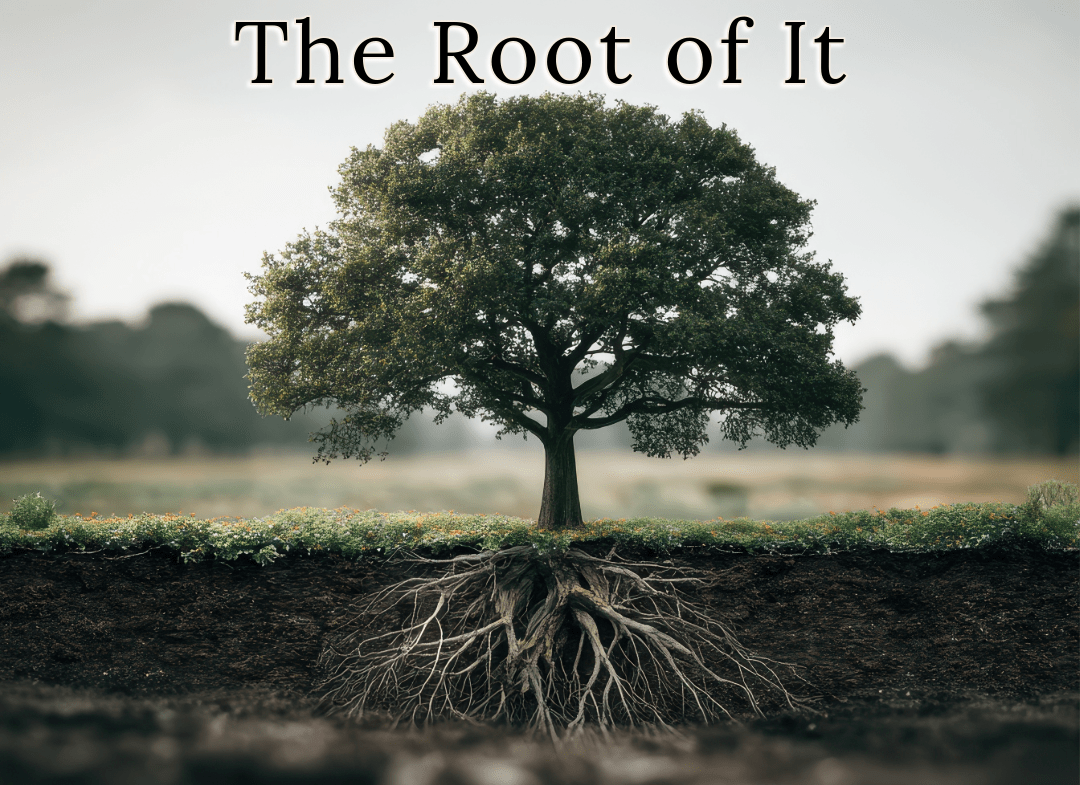
The Root of It

The Real Issue

The addiction was visible. The character flaws were underneath. Real change began at the root.

Keep your heart with all diligence, for out of it spring the issues of life. Proverbs 4:23

When I first walked through the doors of recovery, I thought I was coming to save my marriage. That was my focus. I was convinced that if things could just change at home, everything would settle down. But by following the suggestion to keep coming back, I began to see something I wasn’t expecting. The problem wasn’t just my marriage. It was me. At the core of my reason for coming were my character flaws. I was wounded and emotionally hurt in ways I had ignored for years, and that pain seeped into every area of my life, causing conflict and hostility in all of my relationships. Once I saw that I needed to work on fixing me instead of everyone else, something shifted. I started to deal with my pain. My issues. My flaws.

Like most of us, I didn’t seek help until something was clearly out of control in my life. Addiction was the obvious problem. It was visible. It was measurable. It was causing damage I could no longer deny. Sometimes others had pointed it out before, but I never listened, even though deep down I knew they were right. I came looking for help in the area that was causing the most pain. But after I had been in recovery for a while, I started to see what had been driving it all along. The addiction was not the root. It was the symptom. The real trouble had been living inside me for years. My people pleasing. My anger. My insecurity. My need to control outcomes. If I did not deal with those things, I would just trade one problem for another. I would stay stuck. The bad news is that I have character flaws. I was a people pleaser. I struggled with control and manipulation. I carried latent anger. At first, I did not recognize any of this. In my heart I wanted to live my life fully committed to God, but ignoring these issues kept me from doing that.

As I continued in recovery, I started to see this wasn’t just my story. The outward problem may look different for each of us, but what sits underneath is often familiar. Addiction may be what is visible, but it rarely begins there. The behaviors show up on the outside, but the roots usually run much deeper, in the character flaws we all carry.

I had to acknowledge these flaws in my own life and offer them to God. No more blaming. No more pretending. I started with the issue causing the most pain, and then I began facing the smaller areas He revealed to me. It wasn’t instant, and it wasn’t easy, but it was honest. The change didn’t come from trying harder. It came from surrender. As I stayed willing and kept bringing these parts of myself to Him, something began to shift inside me. I did my part. He did His. And as He began changing me from the inside out, I found that I could finally live my life fully committed to God, not just in words, but in the way I actually lived. And that has brought me peace and happiness that remains to this day.

Prayer

Father, show me what is underneath. Help me stop blaming and start surrendering. Give me the courage to face my flaws and trust You to change me from the inside out. Amen.

Breaking the Spiral

From Spinning to Stepping

When I start spinning in fear, the next right step breaks the spiral.

    Whenever I am afraid, I will trust in You. Psalm 56:3

I have an online store and recently someone wanted to return an item that they were not happy with. So I approved the return fully intent on giving a refund. But after I got the notification that the item arrived, I did not open the package from the mail. I did not go on and issue the refund. Then I noticed I had received other new orders, and I did not even look at those orders because I did not want to look at the refund. I have three orders that need to be shipped out, but I have not done them for several days. Now I’m stuck thinking that it’s too late. I can’t do it now because I didn’t do it in the beginning. That thinking brings up an old familiar feeling I had often before recovery. If I didn’t deal with something in the moment, when it happened, I believed I could never come back and correct it or make it right. I was stuck on stupid.

I don’t know why I did that. And it bothered me. Why am I so stubborn? Why do I procrastinate and put things off? Even when things are not difficult, somehow when I get it stuck in my mind that I don’t want to do it, I will not change my mind. I know that is old behavior, and I can see it is just another form of control manifesting. I know that sometimes I avoid doing something, even something innocuous, because of the fear of something bad or unpleasant being revealed. I don’t ever want bad news, and so I find I will avoid anything that could potentially reveal it, even if the thing itself is not bad news. I have enough recovery to know I need to pray and ask God for help and also to write about it. If that doesn’t work, then I call my sponsor.

So, that is exactly what I did and here’s what I found out. I began with questions. I asked myself, why am I not filling the new orders? What am I afraid of? I realized I am afraid that because I haven’t shipped the order yet, the person may cancel it. I am afraid that I may not have all of the items in stock and the order would need to be canceled anyway. I probably do have the items in stock, but for whatever reason I haven’t even looked. I’m afraid that if I go look, they won’t be there. Then I asked myself, why is that affecting me? If I have to cancel the order, I have to give another refund. That is money I don’t want to give out. It’s only about $80, but because money is tight right now, it makes me feel embarrassed that I don’t make more money on my job. I don’t make more money as a person or as a man. And then I feel like I am not good enough. It’s the same thing I always discover whenever I write. I have a part and it’s usually tied to me feeling less than. I’m reminded of a saying I’ve heard before… I can’t think my way into better action, but I could act my way into better thinking.

Once I realized that it was my issue, I prayed and gave it over to God. Then I put legs to my prayers. I opened my online store, issued the refund, processed the new orders and shipped them out. It was like a huge weight was lifted off my shoulders. Immediately the anxiety lifted and I felt lighter. It may not seem like a big deal, but when I get stuck spinning in my head, it’s really hard to break that cycle. Working the steps of recovery and using the tools I have learned helped me break free from that spiral. I’m very grateful for that. That is the gift of recovery to me.

Prayer

Father, help me trust You and take the next right step when I start spinning. Thank You for the freedom that comes when I seek You first and then take action. Amen.

That’s A Good Question

Why Don’t I Answer It?

When I stop using a question to justify my resentment and start using it to search for truth, healing becomes possible.

Search me, O God, and know my heart; try me, and know my thoughts. Psalm 139:23

I was recently sharing in a meeting about how I used to be resentful toward my mom. When my dad passed away, I went to bury him and settle his estate. While I was there, I found out the real reason he and my mom had divorced. She had cheated on him. My dad caught her in front of our house while the three of us kids were inside. My sister was eight, my brother was six, and I was two. Learning that years later really hurt me. I was angry. Deeply resentful. For a few years after that, I barely spoke to my mom. I wondered, what kind of person does that?

Several years later I was sharing this story with a therapist. All those emotions were still there. Hurt. Anger. Confusion. I felt pressure building inside me as I talked about it. Not knowing what to do with it, I blurted out, “What kind of person does that?” I assumed it was rhetorical. I thought it would release some of that pressure and we would move on. Maybe he would even agree with me. Instead he looked at me and said, “That’s a great question. I think you should answer it.” That infuriated me. I didn’t want an answer. I wanted comfort and agreement. I could not believe I was paying someone good money to tell me to answer a question that was clearly rhetorical.

Later that evening, I told my sponsor about it. I said, can you believe that? What kind of therapist tells you to answer that question? I expected him to agree with me. Instead he looked at me warmly with what I would call stern compassion and said, “That is a good question. I think you should write about it and answer it.” I got mad at him too. Was he even listening to me? I thought he did not understand. But I wanted to get better. So I went home and wrote about it.

It was hard to write because all those emotions came flooding back all at once. Anger. Hurt. Sadness. That I’m not good enough feeling. Rejection. Abandonment. As I wrote, I kept coming back to the same question. Why would my mom do this to me? What kind of person does that? I prayed and asked God to help me see. And slowly the answer started forming. She was an alcoholic. She was an addict. She was doing what addicts do. She was thinking about her addiction, not about me. I was collateral damage. She was not doing it to me. She was just doing it, and I got hurt. That realization did not excuse what happened. But it did change something in me. I began to feel compassion where there had only been resentment. I was able to gradually process what had felt so overwhelming. That day I learned that answering the hard questions is not easy, but it is definitely worth it. Facing the ones I didn’t want to, instead of avoiding them, became the doorway to freedom. If I am willing to sit with them, God will meet me there.

Prayer
Father, help me face the hard questions I would rather avoid. Give me the courage to answer them honestly. Help me recognize resentment and surrender it to You. Thank You for the healing and freedom You provide when I give the hurts of my past to You. Amen.