Slowing Down for Today

Surrender is not just about giving God my future. It is also about giving God my today.

Do not be shaped by this world. Instead, be changed within by a new way of thinking. Then you will be able to decide what God wants for you; you will know what is good and pleasing to him and what is perfect. Romans 12:2

I remember the first time I worked the Steps with my sponsor. Yes, I did say first time. I moved through Steps One and Two quickly. Everything was going smoothly. In my mind, Step Three was already done. I had given my life to Christ as a teenager. I attended church regularly. I studied the Bible. I went to Bible college. I was licensed and ordained. I served in churches in many different ministry roles. I wasn’t new to the concept. So, I figured I could check off Step Three and move right on to Step Four. I told my sponsor, “I got this.”

My sponsor did not argue with me. He didn’t challenge my faith or question my sincerity. He simply suggested we slow down and do the work anyway. He said that if I was truly ready, the work would be easy. That surprised me. What I found was that while I had surrendered my life to Christ long ago, I still struggled with surrendering my will in the ways I thought I had. That started to become clear pretty quickly. Step Three took me weeks, while the first two steps had taken only days. I needed that slowdown, even though I did not realize it at the time. I am thankful God gave my sponsor the wisdom to slow me down and humble me.

What I began to see was how much my biblical knowledge had quietly replaced daily surrender. I had grown complacent. I had become confident in what I knew rather than attentive to how I lived. Pride and control showed up subtly. I assumed I had already completed Step Three because of my education and experience. My sponsor saw something I could not see yet, and God used him to interrupt my momentum. That interruption changed everything.

By slowing down and working the Steps in order, without skipping ahead, I learned something that reshaped my relationship with God. Step Three was not just about giving God my future. It was about giving Him my today too. When that shifted, everything else followed. My relationship with God transitioned from performance to grace and complete honesty. That made me ready to begin Step Four, an honest moral inventory.

Prayer
Lord help me to slow down and not rush ahead. I want to do things Your way and in order. Show me Your will for me and help me to carry it out. Amen.

I’m Sorry – A Familiar Way Out

Sometimes ‘I’m sorry’ isn’t about guilt. It’s about discomfort.

Rejoice with those who rejoice; mourn with those who mourn. Romans 12:15

I was standing there listening to someone share about something that was bothering them. I had heard them share these same concerns before. As they talked, I noticed my attention drifting, and I realized I didn’t know how to be in that moment. I didn’t know what to say. I couldn’t fix it. I didn’t know how I could help. I felt unsettled, even though I couldn’t identify it at the time. So I defaulted to something instinctive, something that felt familiar and safe. I said, “I’m sorry,” and I walked away.

Later, the person told me they felt dismissed by my actions. That didn’t sit well with me. In fact, it bothered me a great deal because I care deeply for this person. I didn’t intend to brush them off, but my intention didn’t excuse my actions. What mattered was what I did and how it landed with them. That’s what stayed with me. I couldn’t shake it. So I decided to honestly write about the moment. I was looking for my part. Why did I apologize when I hadn’t actually done anything wrong? Why did leaving feel easier than staying? As I wrote, I began to see how often I say “I’m sorry” in moments like this, moments where I feel unsure, awkward, or powerless.

What became clear was that I wasn’t apologizing out of guilt. I was feeling uncomfortable. I felt powerless to fix their situation or offer any real resolution. There was no solution to point to, no action to take, and I felt helpless. Growing up in alcoholism, discomfort like that usually meant it was time to do something, fix something, or simply get out of the way. “I’m sorry” became my default way to ease that tension and remove myself from it, even when the tension wasn’t actually mine to carry.

Writing about it helped me see something I hadn’t noticed before. I say “I’m sorry” a lot, especially when I feel powerless. When someone brings me a problem I can’t solve, my instinct is to ease the tension and escape the discomfort. “I’m sorry” becomes my exit. Just a way out. What I discovered in my writing was that walking away in that moment wasn’t about dismissing the other person. It was an automatic response to regulate my own discomfort. That honest realization was unsettling. And for me, that kind of honesty with myself is usually where real growth begins.

I have learned that awareness is only part of my recovery journey. Accepting that I behave this way moves me out of denial. But where I find healing and change is when I can respond differently to this new awareness. This is where I struggle the most. My plan is to pray and ask God to help me next time I am in a similar situation, to give me patience and courage and to help me find a new default. Maybe something as simple as just staying present and being quiet.

Prayer
God, help me see when I am avoiding my true feelings. Show me my part, and help me stay honest with what I see. Help me to not just notice my shortcomings, but change how I respond. Teach me how to slow down and be present without needing to fix anything. Amen.

The Look

Catching Pride in Real Time

What irritates me often reveals more about me than them.

Do not think of yourself more highly than you ought, but rather think of yourself with sober judgment. Romans 12:3

I was driving to work the other day. I was cruising along with the cruise control on. Everything was fine. Then someone cut right in front of me into my lane, going about fifteen miles slower than I was. They did not ease in. They cut me off and I had to slam on my brakes so I would not hit them. I put my blinker on, went around them, and as I passed, I looked over and gave them “the look.”

After I passed them, I realized that I had just mean mugged the driver. I felt that familiar nudge from God to look inward. A self-examination moment. Why did I look at them? What was I hoping to accomplish with that look? I already got around them. I was no longer in danger. So what was that about? As I reflected on it for a few minutes, the honest answer was uncomfortable. I wanted them to feel small. I wanted them to know they were wrong. And when I stayed with that thought process a bit longer, I had to admit something deeper. In that moment, I thought I was better than them. I wanted to correct them. I was upset that I wasn’t in control over their driving. I wasn’t just irritated. I thought my time mattered more than theirs. Like I was entitled to the road. That’s an exaggerated sense of self-importance. Pride. A familiar character defect for me. That realization was hard to accept initially, but it was true.

Before recovery, I would not have even seen this. I most likely would have escalated it. I might have given “the look” and added a one-handed sign language to go with it, you know what I mean.

I have learned tools that help me. Like a spot check inventory. To ask myself why I do what I do in the moment. So that maybe next time I will be able to make a different choice. For today I will celebrate my progress and be thankful that I didn’t escalate things. And even more grateful that I was able to be aware of my behavior on my own without anyone else telling me. I’m glad that by seeking God’s will, He brings things like this to my attention. I am grateful that I am able to apply Step 10 to my daily life. To pause, look inward, and be honest with myself much sooner. Doing that helps me to let it go instead of carrying it with me all day.

Reflection
Where in my day do small reactions reveal something bigger going on inside me?

Avoiding Drama

Sometimes what I call drama is just something I don’t want to face.

I was really avoiding disappointment

You search the Scriptures, for in them you think you have eternal life; and these are they which testify of Me. But you are not willing to come to Me that you may have life.
John 5:39–40

I try to avoid drama at all costs. And I mean drama of any kind. I think most people do. But for me, the problem was this: anything that wasn’t what I wanted, I labeled as drama. Even though I knew that was unrealistic, knowing it didn’t stop me from thinking this way. And the tricky part is I wasn’t doing it on purpose. It wasn’t conscious. If you had asked me, “Do you have unrealistic expectations?” I would have said no. If you asked, “Do you avoid things you don’t want by calling them drama?” I would have said no. And if you asked if I was in denial, I would have emphatically said, “Absolutely not.”

Why would I answer like this? Because facing disappointment hurts. When things don’t go my way, it often stirs up old painful feelings deep inside me. Feelings like I’m not good enough. Like I can’t do anything right. And I did whatever I could to avoid any feelings tied to rejection and failure. So instead of changing my expectations, I went looking for approval from the wrong people. People who didn’t even have what I was looking for to give. It reminds me of an analogy I’ve heard in meetings. I was going to the hardware store looking for a loaf of bread, and then getting angry they didn’t sell it. All the while ignoring the people God had already placed in my life who were freely offering the encouragement and approval I was desperate for.

That’s when I think about the story of the man who couldn’t swim stranded on a rooftop during a flood. He prayed for God to save him, but turned down a raft, a boat, and even a helicopter because he was waiting for God to do it his way. When he died and asked God why He didn’t help, God said, “I sent you help three times, you just refused it.” That story hits close to home. This is exactly how I am sometimes. I am looking for help in my way, and being so stuck in my own thinking, I actually miss how God has been trying to help me. I don’t need YOUR help. GOD is going to help me. I spent a lot of time waiting on God to help me my way. When help came through people I didn’t want to hear from, I ignored it. I told myself I was waiting on God, when in reality God was already answering. And when things don’t go the way I want or plan, then I interpret that as me being a failure and I feel rejected.

This is denial in its sneakiest form. Denial is so insidious that while I’m in it, I can’t see it. I can’t even admit I’m in denial, because denial convinces me that I’m not. Denial hides from itself. I can’t see it on my own. I need others to help me see what I’m missing. I can pray, meditate, and read Scripture daily and still miss the truth if my heart isn’t willing to change. God often uses people to point out where it’s still there. Recovery keeps teaching me this: healing and peace comes when I remain willing and open to change instead of spinning in self-deception. Denial wants me blind. God wants me free.

Prayer
Father, keep me willing. Show me when I’m resisting help instead of receiving it. Help me trust that You are already at work, even when it’s not my way. Thank You for helping me be free. Amen.

Stop Shoulding on Yourself

Why “Should” Keeps Me Stuck

So there is now no condemnation awaiting those who belong to Christ Jesus. Romans 8:1

I was meeting with my sponsor over coffee. I was sharing with him some of my thoughts and plans when he picked up on something I said and got a pensive look on his face. I asked him what he was thinking. He said, “You need to stop shoulding on yourself and get the should out of your vocabulary.” That startled me. At first, I wasn’t sure what he was saying or why it was important. I remember thinking, how would I ever get anything accomplished without “should”? That little word had quietly run my life for such a long time, and I hadn’t even realized how much power it had. It sounded responsible, even spiritual. I should be further along. I should handle this better. I shouldn’t still be struggling with this. What was wrong with that? My sponsor continued, “Should implies judgment.” When you use it, you’re judging everyone involved, including yourself.

I was confused. To me, those thoughts felt like motivation and good goal setting. But when I paused and took a look at them, I saw something different. “Should” was not helping me. It kept me stuck in defensiveness. It became another explanation for why I never faced my problems. I thought I “should,” but I never took real action. I confused the thought with actual change. Without fully realizing it, it left me feeling like a failure. I was shoulding on myself. I was comparing myself to an imaginary version of who I thought I “should” be instead of being honest about who I really was. It was just another layer of denial. Recovery is showing me that “should” isn’t an asset in my life. It’s an illusion of control that soothes my ego rather than seeing myself how I really am. Thinking that I never measure up feeds into shame and eventually turns into resentment.

My sponsor’s observation led me to do some writing and step work. I started to see how “should” kept me from being honest. That internal conflict leaked out of me in the form of being disagreeable. I was either defending myself, accusing someone else, or quietly blaming God for my situation. “Should” gave me something to think about instead of something to do. In recovery, I’m learning that I can’t think my way into change but I can act my way into better behaviors. When I’m willing to look at my part, without excuses, I finally step out of defensiveness. That honesty opens the door for me to rebuild my life.

Letting go of “should” has helped me stop lying to myself. When I stop telling myself how things should be, I can finally see how things really are, how I really am. It hasn’t been easy, but it has been rewarding. Recovery is teaching me that I don’t have to change everything at once, I just have to deal with what’s right in front of me. When I stay honest about where I am and take the next right step, I feel better about who I am and where I am. That’s how recovery works for me. I show up, tell the truth, and do the work that’s in front of me today. I trust the outcome to God.

Prayer

Father, help me stop shoulding on myself. Show me where I’m judging instead of being honest. Give me the courage to take the next right step and trust You with the outcome. Thank You for meeting me with grace, not condemnation. Amen.

Only a Symptom

Usually what shows up on the surface isn’t the real issue.

Looking Beneath the Behavior

Be sure you live out the message and do not merely listen to it, deceiving yourselves.
James 1:22

I was reading in the Big Book and something jumped out at me: Alcohol is but a symptom. So, we must get down to causes and conditions. It landed pretty hard. Harder than I would have thought. I started to think and ask myself how does this apply to me as a codependent. If alcohol is merely a symptom, what in my life is only a symptom? What am I reacting to? What behaviors keep showing up that I don’t like? What am I doing that is hurting me or others, and do I keep repeating it? Those are the things I need to look closer at. I started asking what those behaviors might be pointing to. What causes and conditions are underneath them?

I realized that is what a Fourth Step inventory is for, and why it is so important. It helps me look honestly at why I do what I do and why I feel the way I feel. Those behaviors aren’t random, and they aren’t the real problem. They are patterns rising up from hurt and pain that I never learned how to deal with. I also read that my troubles are mostly of my own making. That tells me my best thinking got me here. I did not cause everything that happened to me or the pain that shaped these behaviors, but it is up to me to do something about them if I want things to change. I need healing and renewal if I want to live and act differently.

That healing and renewal is something only God can do, but I need to ask for His help. I have to humble myself to God, surrender my will to Him, and ask for His guidance to walk me through the process. I also have a part, my part, and that means I have to take action. I am learning that renewal does not happen automatically through awareness alone. It emerges as I walk through the process of working the steps. This shows up as I write honestly, tell the truth to others, and keep listening and being vulnerable.

As I do my part, God does what only He can do. That’s recovery. Because it is in the doing that my transformation and healing become real. Step work helps me see my hurt and pain, it helps me see my part, it helps me surrender to God, it helps me make amends, and it helps me heal. That is the gift of recovery to me.

Prayer
God, thank You for showing me that my behavior is often a symptom of something deeper. Help me look honestly at my patterns and not turn away from what I find. I surrender my will to You today and ask for Your guidance. Give me the courage to do the work that leads to real and lasting change. Amen.

Quickly Dismissed – How Denial Convinced Me I Didn’t Have a Problem

What I avoided for years became the place where healing began.

Admit your faults to one another and pray for one another so that you may be healed.      James 5:16

Before I ever entered recovery, and long before I knew it would become part of my life, God was already planting seeds through people who cared about me. Over the years, I had good friends, people I trusted, suggest that I consider attending a meeting. A few even offered to go with me. I heard what they were saying, but I quickly dismissed it. I didn’t need recovery. Recovery was for “those” people, for addicts and people who didn’t have it together. That wasn’t me. I believed in God. I read my Bible. I prayed. I was the one who helped others. What I could not see at the time was that in all my trying to be responsible and helpful, I was seldom at rest. I was hypervigilant, trying to do everything exactly right, hoping I would earn God’s favor.

It was hard for me to see it, but I finally realized I was addicted. I wasn’t addicted to substances. I was addicted to fixing and controlling others. I told myself that I valued truth. In reality, I only valued my version of truth. I was afraid of the version that was offered to me. When people who loved me spoke honestly about what they saw, I argued, minimized, or explained it away. I was often perplexed though, at how they seemed to know so much about my childhood, even when I had never spoken about it to anyone. I couldn’t explain it at the time, but their truth felt threatening because it wasn’t my truth. Accepting their truth meant I needed help. It meant I would have to let go of control. I would have to be vulnerable, and that meant I could be hurt again. No way was I going to let that happen. I was afraid of what might happen to me if I opened up to someone about my past. That kind of honesty didn’t feel right to me. And it definitely didn’t feel safe. I had no one I could really trust, not even those who cared about me.

I finally did something about it. The thing I had always avoided. I showed up. I found a place where I could share things out loud, and nothing bad happened. I was accepted. Once I began to see that I had a problem and that I needed help, things started to fall into place. My awareness didn’t happen all at once, and it wasn’t always easy or pretty. Sometimes it still isn’t. But it came through honesty and trust. The people in the rooms of recovery trusted me with their stories, which made it easier to trust them with mine. They weren’t asking anything from me that they weren’t willing to do themselves. That made it possible for me to open up, be honest, and trust someone else for the first time since I could remember. And that was liberating. It was freeing. It was accepting. And it still is today.

Prayer

Father, thank You for never giving up on me. Thank You for leading me to safe places where I can see Your love, acceptance, and forgiveness demonstrated in action. Help me stay willing to show up, speak up, and grow up. I thank You for the healing You provide as I stop hiding from my past and continue to be honest. Amen.

Addicted to Being Right

A fool thinks he is right, but a wise person listens to others. Proverbs 12:15

I had an aha moment after an argument with my wife. Her version of what happened was not accurate. The facts, the details, and even the way she described my motives and inner responses did not line up with what actually occurred. I was being told what I felt, and it was not true. Because of that, I dismissed everything she was saying. I told myself that if the facts were wrong, then her reaction must be her responsibility. I focused on correcting details instead of acknowledging that she was hurt. Once accuracy was in question, I stopped listening to anything else.

As I prayed, journaled, and tried to find my part, I kept coming up empty. That was unusual for me because I am normally able to see it. I even made a list of probable options, which is something I do when I am stuck. The possibilities ranged from extreme to reasonable. Maybe she was completely wrong. Maybe I was missing something obvious. Maybe past trauma was being triggered. Maybe something I said landed harder than I intended. I did recognize one comment I made that was harsh, and I apologized for it immediately. But days later, there was still distance between us, and none of my reasoning fully explained why.

I was doing some step work, and that is when I saw it. I was addicted to being right. That was my part. I was so focused on accuracy or details that I could not be present with her hurt. Being right mattered more to me than trying to understand. I kept looking for my part in the event itself, when my part was actually in how I responded to what she said. Even though I did not do what I was being accused of, my defensiveness and dismissiveness created more distance. The problem was not the facts. The problem was me and how I reacted.

My awareness came by humbling myself to God and following the prescription that recovery offers. That meant I had to stop defending myself and ask God to show me what I could not see. He did. God is faithful that way. It did not come through prayer alone. I had to do something too. I had to put legs to my prayers. I had to write and be honest with myself, and then let that truth sit for a moment. As I did, I began to see how my need to be right had become a form of self-protection and control. My character defects were being triggered, and my insistence on accuracy was just another form of denial. That realization did not excuse my behavior, but it did open the door to change. I cannot always control whether facts are understood, but I am responsible for how I respond. Letting go of my need to be right made room for honesty, connection, and healing.

Prayer

Father God, help me to humble myself and listen to others. Help me hear what they mean, not just the words they are saying. Continue to show me my part in each situation. Give me the courage to change and the power to carry it out. Amen.

Led by Peace

How God Guides Through Peace

For you shall go out with joy, and be led out with peace…. Isaiah 55:12

A few years back, I found myself in the middle of a job transition with two offers in front of me. One was a government job that promised security, benefits, and long-term stability. The other was a smaller local business with less pay and fewer guarantees. Everything about the government job made more sense on paper. But as I prayed and wrestled with the decision, something inside me would not settle. When I thought about the local job, I had peace and my mind was at rest. When I thought about the other job, my mind was spinning and I felt restless. I could not put it into words, but I knew I was being asked to trust God instead of what made sense, and I knew which decision that meant.

A few months after I accepted the job with the local business, the world shifted. COVID fear spread quickly, and pressure followed close behind it. Vaccine mandates were introduced, and I watched people lose jobs, reputations, friendships, and even family relationships. Government workers were backed into corners and forced to make decisions they never expected to face. The cost was real and personal, not theoretical. Some complied to survive. Others stood their ground and paid a price they did not choose. As I watched all of this unfold, I realized how different my situation could have been. Had I chosen differently, I would have been pressured to get the vaccine or lose my job. Instead, I was not compelled to inject something into my body that went against my conscience. I was able to continue working and remain at peace. That uneasiness and restlessness I felt about the job decision turned out to be God’s unseen protection, leading me long before I knew why.

I saw through that experience that God is leading me and looking out for me even when I am unaware. He cares for me not just about me. When I cannot see down the road and do not know what lies ahead, He does. And He leads me through peace. What I sensed and felt when deciding between the two jobs was peace and confusion. He led me through peace. So when I have peace about something, now I can trust that God is leading in that direction. When I have confusion, I pause and wait on God until I have peace. He never lets me down and His peace always protects me.

Recovery has helped me put practical application to my spiritual journey. My walk with God is no longer abstract or distant. I have learned that surrendering my life and will to the care of God is not a one-time decision. It is something I practice. I pray. I seek His direction. I wait. Recovery has taught me to slow down long enough to notice what is happening inside me. Waiting until I have peace protects me from haste and avoidance. It helps me make decisions with purpose and thought instead of reacting out of fear. I am no longer a victim of chance or circumstance. When I trust God, I trust His direction. And He continues to lead me the same way He always has, through peace. This is the gift of recovery for me.

Prayer

God, thank You for leading me even when I am unaware. Help me slow down and wait for Your peace instead of rushing ahead or forcing outcomes. Lead me today the same way You always have, through peace. Amen.

Options

Awareness Before Reaction

The simple believe anything, but the prudent give thought to their steps. Proverbs 14:15

I had a situation last week that upset me very much. I was forced to make a decision and I didn’t respond well. I felt powerless. I was frustrated. I was angry. I was hurt, and so I called my sponsor. I told him about the situation that was going on and how I reacted. He asked me a very simple question. But the answer to the question didn’t seem so simple to me. He asked me, what other options did you have? And that question made me even more upset. Because I didn’t think I had any other options or I would have done something different to begin with. But by the mere fact of him asking me what other options did you have, made me realize there were other options I could have chosen that I didn’t think about at the time. And that embarrassed me and made me even more mad.

But as I considered his question, I replayed the scenario and started to think about what other options did I have. I could have chosen to speak up sooner. I could have asked for more time to decide. I could have done nothing at all. As we talked through this, that question was followed up with another question. Which one of your character defects was being affected by this? Aargh. Of course. What is my part? I chuckled, because I knew if I could get there, I would find the solution. What I began to see was a pattern. I bottle up emotions and don’t do anything about them until one more thing becomes the tipping point. The explosion is never just about the current situation, but about all the others I ignored before it. And if I can identify that pattern and my part in it, then I am better equipped to respond healthier in the future and not have uncontrolled explosions of my emotions.

What recovery is helping me see is that I do have options. Awareness gives me space to pause and consider them. As I continue to grow, I see progress. I see this same kind of progress in other areas of my life too. It doesn’t happen all at once, but it is real, and it reminds me that recovery is working. What I used to never notice, I now see. At first, I would notice it after the fact and call my sponsor. Then I began to catch it sooner. Over time, I started to catch myself in the moment and stop. And slowly, something deeper began to change. The behaviors and attitudes that once drove my reactions are being transformed, and I am learning to respond instead of react.

Reflection
Where in my life am I reacting out of habit instead of pausing to consider my options?

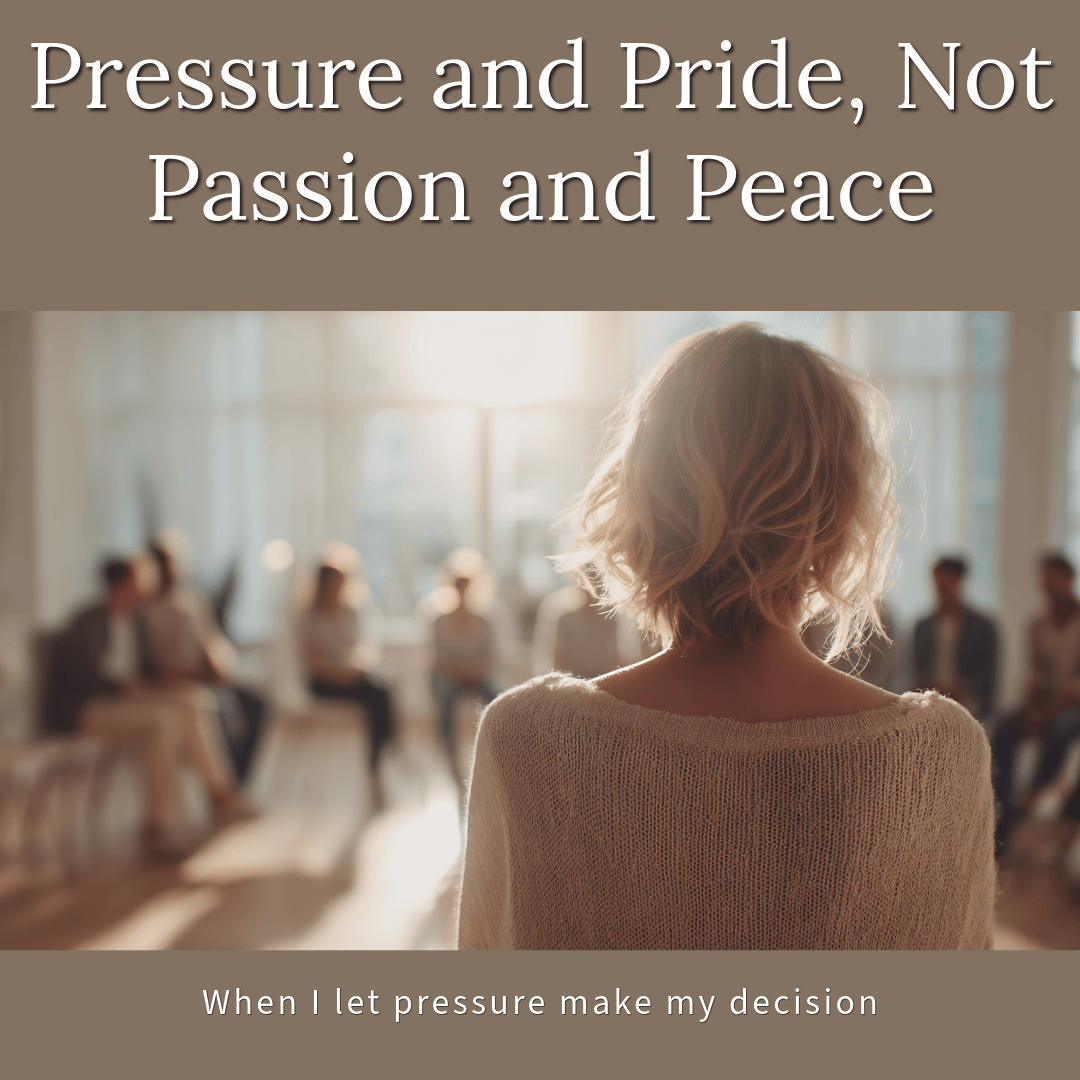
Pressure and Pride, Not Passion and Peace

Pressure and pride made the decision. Recovery is teaching me to slow down and choose differently.

Say yes if you mean yes. Say no if you mean no. Anything more than this comes from the Evil One. Matthew 5:37

I was asked to lead or chair at an upcoming Big Book Study meeting held online. I had never been to one and had never attended this meeting before so I thought I would check it out ahead of time. I planned to observe as a bystander last night, but I was late. Since I was only watching I didn’t think too much about it. By the time I logged in, they had finished the opening readings, the lead share and had introduced the topic. I recognized many people in the meeting from other meetings I regularly attend. This was a tag meeting, where people choose who shares next. Almost immediately after I logged in, I was tagged. Fear hit me and I froze, then I said I think I should pass since I was late and do not know the format or the topic. I was about to tag the next person, but I was encouraged to share anyway and told what the topic was. So, I did. I stumbled through a share, trying to sound insightful, but it was empty. It felt fake and I was so embarrassed. I was sharing more out of pressure than passion and peace. I realized later when I shared instead of passing, that I had said yes when I really meant no.

After the meeting ended, I sat with an uncomfortable feeling that would not go away. My intention going into the meeting had been simple. I wanted to observe. I wanted to check it out, listen, and get a feel for it. That was my intention. My desire. But when the moment came and all of those eyes were on me, I abandoned my instincts. Old thoughts rushed in. I do not want to disappoint anyone. I do not want to look unprepared. I want to be seen as capable and dependable. When I looked honestly at why I shared anyway, I had to admit it was pride. It showed up as wanting approval and not wanting anyone to think less of me. That’s how people pleasing and low self-esteem resurface in me.

That experience reminded me that knowing what to do in recovery does not remove my responsibility to take action. It gives me awareness, not immunity. Knowing better does not automatically mean doing better. That is why the steps separate readiness from action. Deciding is not the same as following through. I found myself wondering if I owed an amends and if so what that might look like. As I wrote about it, I realized this was not about apologizing or explaining myself. It was about changing me. So next time when I am in an uncomfortable situation, I will say no when I really feel no. That is the gift of recovery for me.

Prayer

God, help me recognize when pride creeps in and I am tempted to falter in my decisions. Guide me in truth. Grant me the courage and the strength to follow through. Amen.

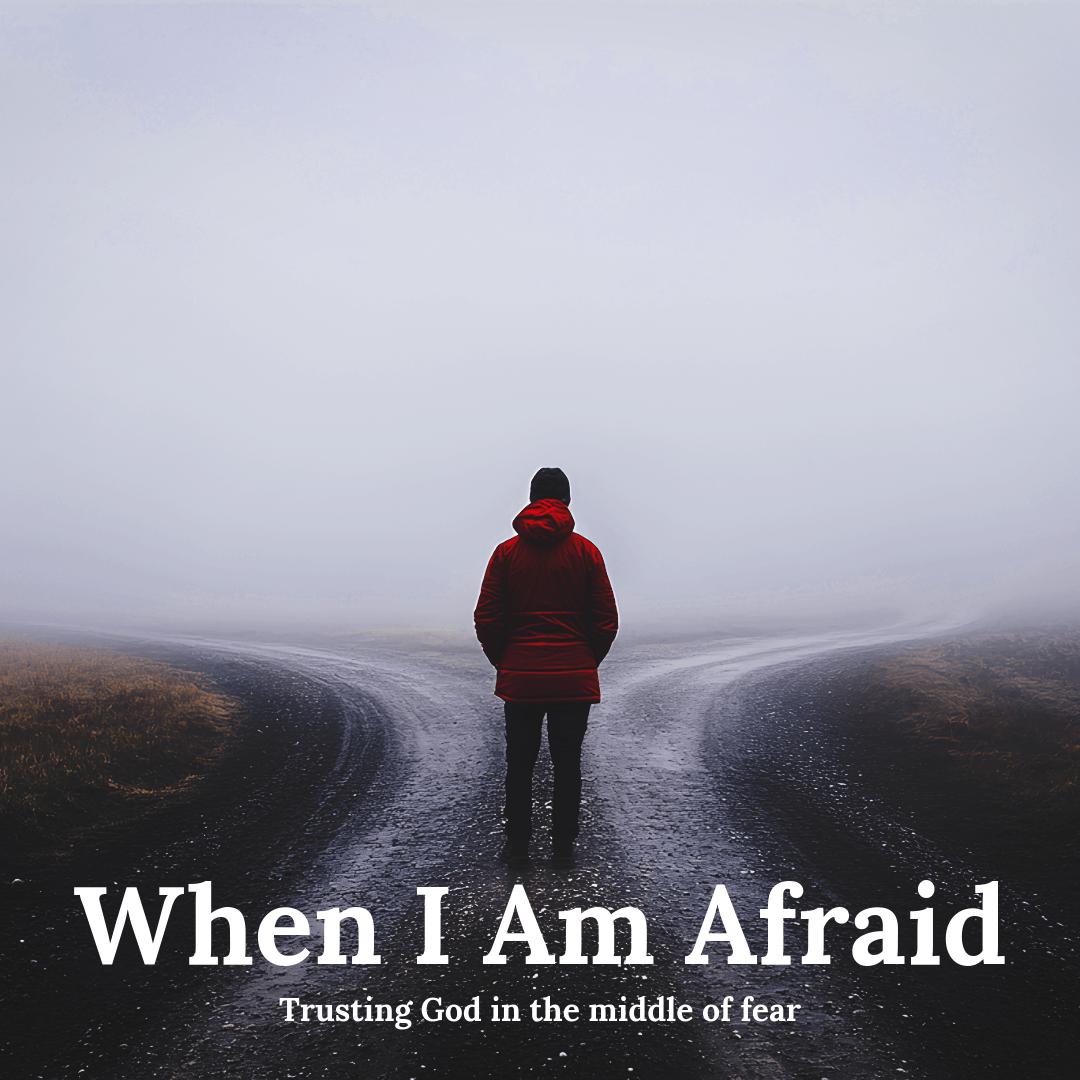
When I Am Afraid

Trusting God in the middle of fear.

Whenever I am afraid, I will trust in You. Psalm 56:3

When I first entered the rooms of recovery, I did not want to admit that I was powerless or that my life was unmanageable. Even the suggestion actually made me angry. My sponsor told me that anger is a secondary emotion and that underneath it there is usually fear. He said fear often shows up when I am afraid of something happening or not happening. If I could identify the fear, it would help me deal with the anger. Even hearing that made me angry. I insisted that I was not afraid and not angry. As a Christian, those emotions felt unacceptable to me. In my mind, fear and anger meant a lack of faith.

What changed me was being confronted with the Scriptures that did not say what I thought they did. David said, “When I am afraid, I will trust in You.” David did not deny fear. He acknowledged that he had fear and how he dealt with it. Scripture also says, “Be angry, and do not sin.” I had always read that as “Do not ever be angry,” when in reality it was telling me what to do with anger when it shows up. My sponsor also gave me an acrostic for fear: Face Everything And Recover. So I decided to follow the program and the advice of my sponsor. I asked myself an honest question. What am I afraid of?

That question exposed something deeper. I realized I was afraid because I had a core belief that I was not good enough. I spent years, trying so hard to be good enough to be loved and accepted by anyone, that I subconsciously thought I could buy it from God through my good actions and beliefs. But I was deceived by this thought process. I had never been fully honest with myself or with God about my fear. I denied I had fear because of my biblical knowledge. Once I finally admitted that I was afraid and needed help, I asked God to help me. It is amazing how quickly the help came. The fear easily dissipated and the anger I was feeling left with the fear.

My situations and circumstances didn’t change nor did my past, but what did change was I became willing to face what was real instead of denying it. For the first time, I realized that acknowledging fear didn’t dismiss my faith. In fact it made it stronger and I saw that trusting God was the way through fear and anger. The slogan Let Go and Let God took on new meaning for me.

Prayer

Father, help me recognize and not deny when fear shows up in my life. Show me what I am afraid of and why. Teach me to trust You in the middle of fear. I want to bring everything to You and trust in You. Help me let go of control and trust You to lead me through fear. Amen.

Right Here, Right Now

Learning to live in the moment.

This is the day the Lord has made. Let us rejoice and be happy today. Psalm 118:24

I remember the first time I really understood what it meant to be double minded. Scripture says that a double minded person is unstable in all his ways, but for years that felt more like a concept than something practical. One Sunday I was sitting in church listening to a guest speaker. To be honest, I was not that interested. Then my phone buzzed with a text from a family member. I picked my phone to read it. They were asking about dinner plans that evening. I immediately heard something inside me say, “Are you present, or are you being double minded?” It stopped me in my tracks. That was my aha moment. Double minded wasn’t just about the Bible or my beliefs about God, it was about how I engage in everyday life. I realized being present meant my mind and my body needed to be in the same place at the same time. My body was sitting in church, but my mind was somewhere else. I decided to put action to this new understanding. So, I set my phone down, turned it face down so I wouldn’t be tempted and distracted. I asked God to help me get something, even one thing, from what was being shared. I did. But the real lesson that day was not the sermon. It was the calmness inside my mind that stayed with me.

What struck me later was how ironic it was. I had spent years in church trying to grasp spiritual truths like this, yet it did not really come alive until after I started recovery. When it did, it was like a dam bursting open. I began to see how often my mind drifted away from where my body was. Practicing the principles of recovery has helped me put practical application to spiritual ideas like this. It was like there was another layer of denial I had never realized was being peeled away. I saw how I was still escaping in my mind from where I was physically. I would replay a past event, trying to rewrite the outcome somehow, or worry about the future and how to control it. My mind was everywhere except where my feet were planted. In reality, it was exhausting. I had never noticed before how rarely I was actually present in my own life.

Learning to keep my mind where my body was took practice, and at first it was hard. But the more I made a conscious effort to keep my thoughts focused on what was happening in front of me, the more I started to notice God working right there. Many times I received answers to things I had been praying about. Staying in the moment brought a peace and calmness that felt almost tangible. My mind was no longer rehearsing future conversations or trying to rebuild a happier past. I was right here, right now. And when I was fully present, I actually enjoyed where I was and the people around me. I decided to be there for a reason, so I started to let my mind be there too. I began to notice the laughter, the quiet, and the simple moments of everyday life opening up like a bouquet of roses that had been there all along, just waiting for me to stop and smell.

Reflection
Where do I tend to escape in my mind when I feel uncomfortable or bored?

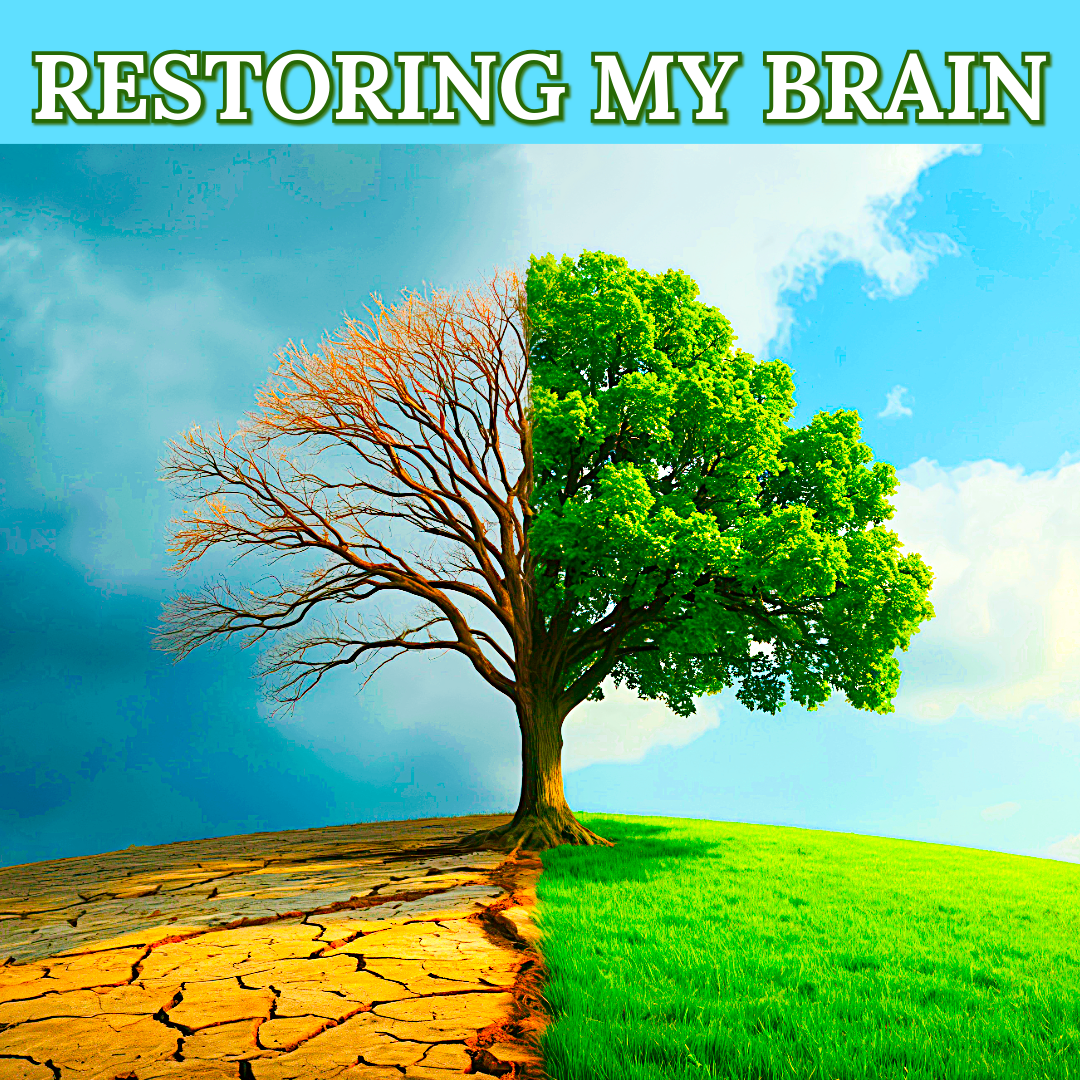
Restoring My Brain

I’m learning how God is using recovery to restore my brain from addictive behaviors I could not control.

You will keep the mind that is dependent on You in perfect peace, for it is trusting in You. Isaiah 26:3

I’ve been reading about how addiction connects to what’s going on in the brain, and it really opened my eyes. The more I learned, the more I could see my own patterns and why I tend to fall back into certain behaviors I don’t want. One thing that really stood out to me is that God designed our brains with chemicals that help us engage and live life fully through connection with Him and others. Dopamine is one of those chemicals. It gives us the drive to go after things like food, relationships, purpose, and growth. Oxytocin is another. It helps us feel calm, safe, and connected. When our minds and bodies are aligned, working the way God intended, dopamine helps us take the next right step, and oxytocin lets us know when we’re safe enough to slow down and rest. Together they keep us steady, so we don’t go from one extreme to the other. We live in a place where we can want things without feeling overwhelmed and make decisions without fear.

Addiction starts when these chemicals get out of sync and become imbalanced. Dopamine stops looking for relief from feeling safe and being close to people. Instead of gently guiding me, it suddenly feels like an urgent pressure demanding relief right now. That urgency is why things start to slip. My brain begins to believe that the only way to have peace comes from instant gratification instead of patience and trust in God. Over time, my brain forgets how to rest and how to wait. It gets used to the shortcut and starts to expect it, and before I know it, it starts demanding immediate relief. And that’s why I start looking for a fix to meet that demand.

What surprised me was realizing that this same chemical imbalance occurs in my brain and is created through my codependent behaviors. It is not just something caused by drugs and alcohol. I feel it when I start trying to manage everyone and everything, fixing problems, smoothing things over, or trying to keep everyone happy. I get uncomfortable and feel uneasy. I suddenly have the urge to jump into fix-it mode because it feels like the fastest way to get relief. That relief simulates a feeling of peace, but it is short lived and never lasts. The urge to manage comes back again and again. Each time a bit stronger. I started to see that what I thought was love and concern is often my brain chasing a quick dopamine release through control. The pattern is always the same. Urgency first, relief second, exhaustion later. It dawned on me that this rush for an instant relief, an urgent dopamine release in my brain, is nothing more than a counterfeit for spirituality and peace with God. God designed dopamine to be released naturally and evenly.

It shows up as that feeling that something has to be dealt with right now, even when nothing is actually happening. It often sounds like “I just need to fix this” or “Once this is handled, I’ll feel better.” I notice it in my body as restlessness, tightness, or the inability to sit still when things feel uncertain. The relief feels real, but it fades quickly, and the urgency always comes back. It feels less like desire and more like pressure, as if peace depends on acting immediately.

I now recognize why God desires me to embrace spiritual disciplines in my life. It is not to be strict or demanding. It is because of His love for me. When He calls me to be patient, to seek Him through prayer and meditation, to exercise and eat healthy, and to stay connected with others, He wants what is best for me. These practices release an even, balanced, and healthy amount of dopamine and oxytocin in my brain. They help keep me emotionally regulated so I am not driven by urgency or addiction.

Prayer breaks the cycle of urgency and helps me slow down. Waiting teaches my body that stress and pressure won’t destroy me. Being honest with people instead of trying to manage how they react opens the door to real personal connection. Setting boundaries feels uncomfortable at first, but over time they bring real peace one bit at a time. Each time I choose trust over control, my brain learns something new. I am learning that I do not have to perform to feel safe. I do not have to fix everything. I am not walking alone. Over time, what once felt impossible becomes normal. That is discipline. That is healing. That is the balance God intended. That is freedom and true serenity.

Reflection
Where do I notice urgency showing up in my thoughts or body right now, and what might it look like to pause and trust God instead of reacting?

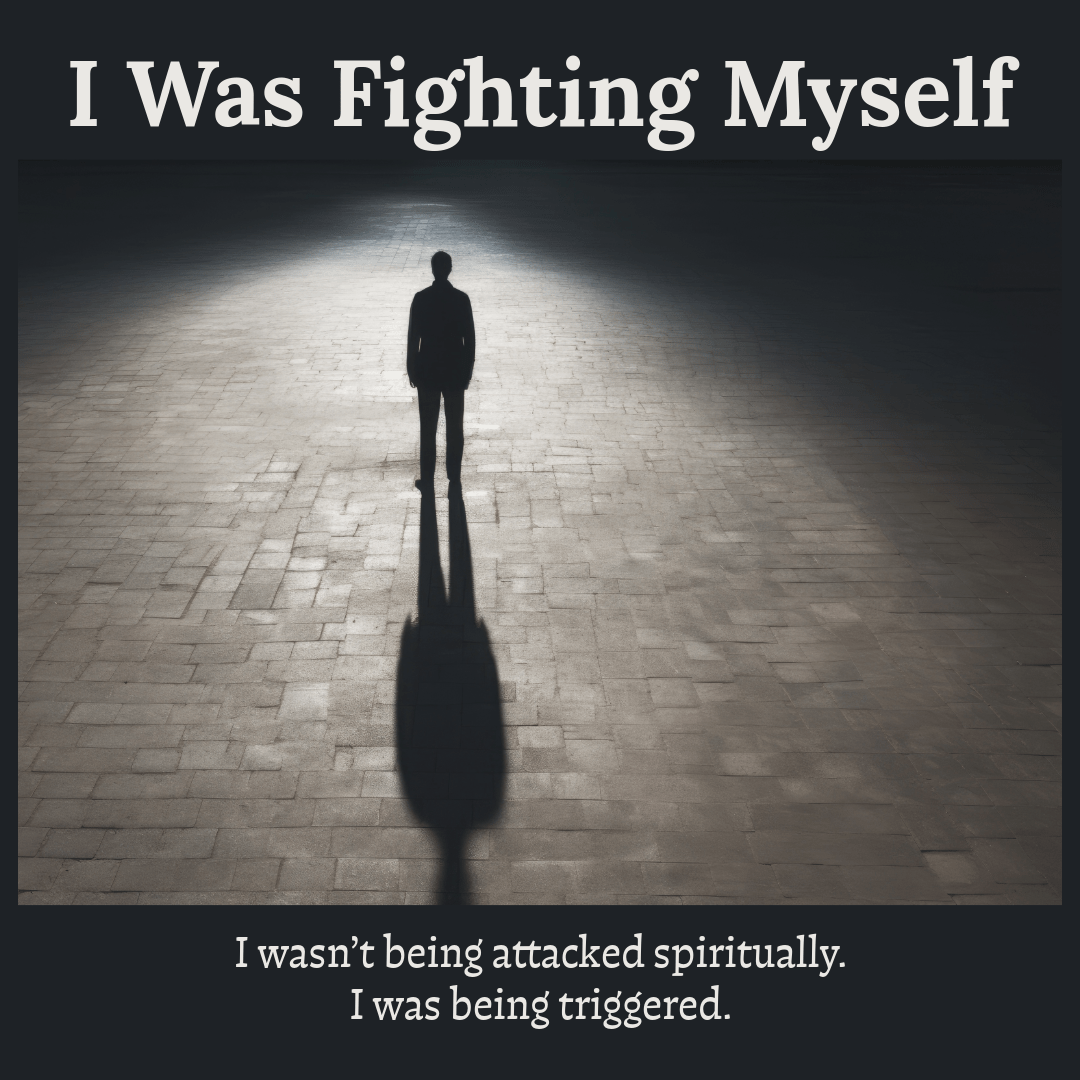
I Was Really Fighting Myself

I wasn’t being attacked spiritually. I was being triggered. That changed my perspective.

We demolish arguments and every proud thing that is raised up against the knowledge of God, and we take every thought captive to obey Christ. 2 Corinthians 10:5

I recently had someone do something mean and hurtful to me. It hurt very much and I was angry as well as hurt. I began to process that. Then Ephesians 6:12 came to mind. I am not wrestling against flesh and blood, but wicked spiritual forces. My first instinct was familiar. I told myself, My problem is not with this person but with the spiritual forces influencing them. I began to pray the way I had many times before, praying for this person to be free from the evil spirits causing them to act that way. I was sincere. I wanted relief. I wanted justice. Mostly, I wanted the pain to stop.

In the middle of that prayer, a sudden and different thought interrupted me. I knew it was the Holy Spirit because it was calm, clear, simple and it brought peace. Instead of binding the spirit governing him, why not bind the spirit governing you? I resisted that at first. I wasn’t the one who caused the hurt. I wasn’t the one acting out. Then I was made aware. I was the one who was hurt. I was the one offended. I was the one angry. My thinking was being influenced, affecting my emotions and my behaviors.

I saw recovery here. I wasn’t being attacked. I was being triggered. My buttons were being pushed. I was reacting, rehearsing the offense, and letting resentment take up space in my mind. I finally saw it. I had been trying to control someone else instead of practicing self-control. I was asking God to change someone else’s behavior instead of asking Him to change mine. I have learned in recovery that I can have peace in the midst of chaos. I don’t have to succumb to hurt, anger and resentment. I can give them over to God and allow peace and love fill its place. This is about me and my core issues.

I see spiritual warfare differently now. Instead of praying that God will change someone else, I pray that God will help me see what I can do to change the way I’m thinking. I ask Him to help me forgive and walk in love so I don’t hold onto grudges or resentments. That’s where recovery shows up for me. I do step work to keep me from staying hurt, angry, or resentful. This is what spiritual warfare looks like in real life. It’s using self-control instead of control. It’s spiritual recovery in action.

Prayer
God, help me when I am hurt to get control of my thoughts. Show me what needs to change in me so I don’t become angry or resentful. Reveal to me my part and give me wisdom to know how to change. I ask for Your strength to walk in love and to forgive. Amen.